One of the biggest (but perhaps less flashy) challenges in CALL is access to technology across learning contexts. Increasingly a lot of the technology that can be used for language learning can be accessed via mobile devices, and many traditional computer labs may not the ideal tools for supporting 2.0 learning tools (see the last post). There is certainly a disconnect where desktops/laptops are really useful for some language learning activities (writing, document design, interactive tutorial software), but mobile devices are increasingly as useful (or even more so) for many others, such as listening (podcasts, skype, etc.), reading (anywhere anytime for extensive reading), speaking, recording video, etc. The problem with this, of course, is that computer labs (where they exist) were often visualized as a technological equalizer for learning - students, no matter their access to technology at home, would all have an equal playing field when using a computer lab. Of course not every student has a mobile phone, tablet, or laptop, but the field of CALL seems to be moving to teaching tools dependent on learners having access to mobile devices.

As a result, I am very interested in the idea of using cheap mobile (or semi-mobile) gadgets as educational tools. The
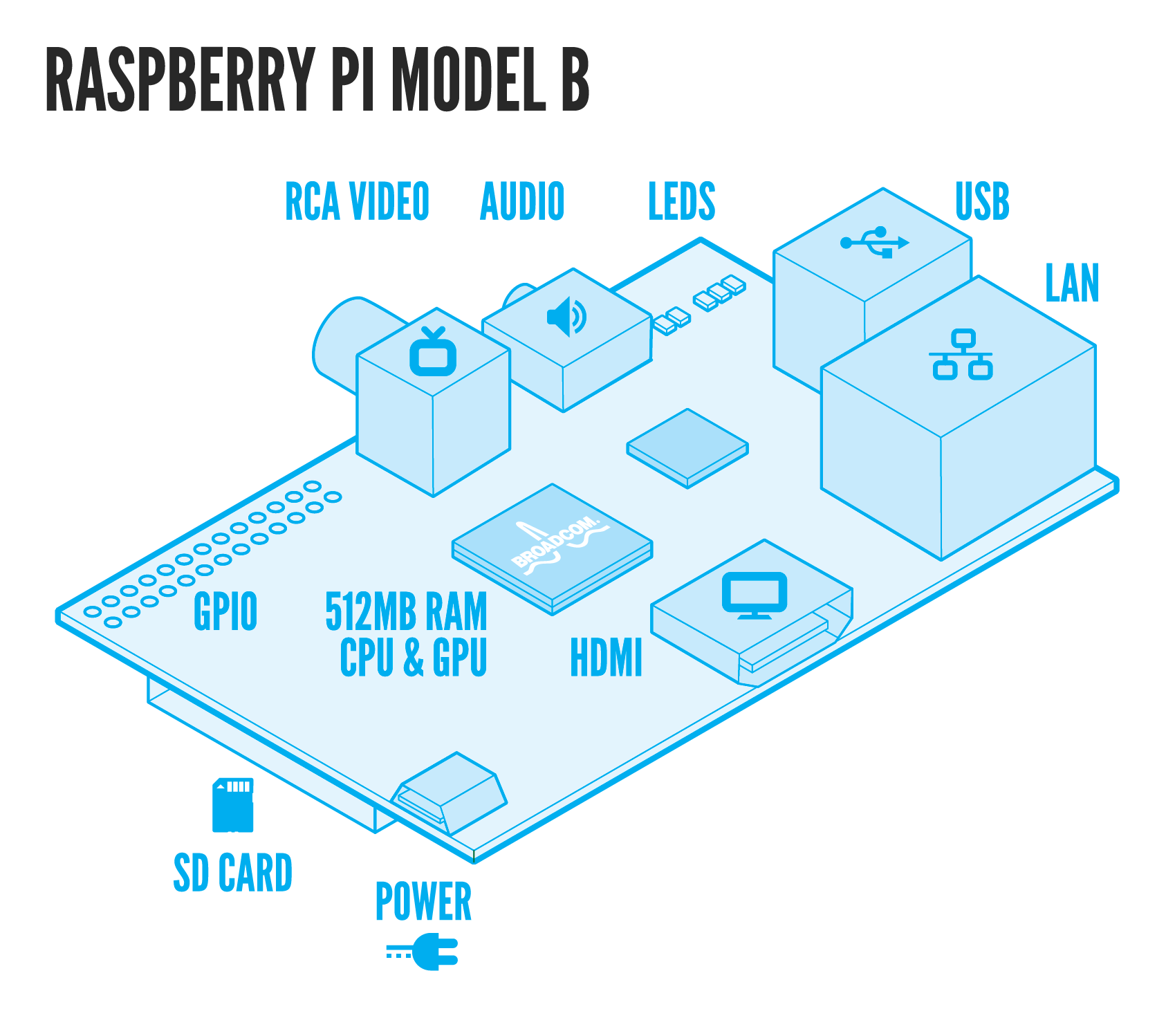
Raspberry Pi is probably the current, best example: a $25-35 dollar board computer that can be connected to any monitor/TV and keyboard and mouse. The original goals of the project were to produce a cheap computer that could be used to teach, with a special focus on teaching technology skills (e.g., programming). Of course there are an army of enthusiasts who have imagined all sorts of projects for the Pi, but I still haven't seen any language learning applications. Perhaps there could be some technology-based CBI designed around using the Pi. Alternatively, a potential application could be in simple having modular, cheap computers that students could own (and possibly just plug into docking stations)...perhaps a versatile, contemporary model of getting educational tools into a variety of situations, similar to the
One Laptop Per Child project.

No comments:
Post a Comment